Anne Vis Art & Design

Unlocking the Inner Artist

This is the first article in a series of “finding my unique inner voice” in and through art.
Finding my own style and expression or “unlocking the inner artist”.
I think all of us have one 🙂
I am starting with primitive art. At the moment of writing this, I have no idea whether this mission will be successful or not, but let’s have fun on the way!

Part 1:
Ready to explore primitive art?

So starting out with what is considered to be “primitive art”. To me that sounds like going back to the roots and maybe to what I used to like to make in childhood.

But I have to be honest with you:
I’m rather new to primitive art and tend to have another definition of what it actually is than the general opinion.
For me Primitive Art is not ethnical, because I do not believe in the mainstream narrative that people who went “before” us are “undeveloped”.
So let’s get started.

So really: what IS Primitive Art?

To me that is the story of the beginning.
That’s why this is a good point to begin an exploration.
It involves all sorts of styles, but in general is motivated by curiosity and playfulness.
And also: elements of nature are involved. Not to mention: animals!

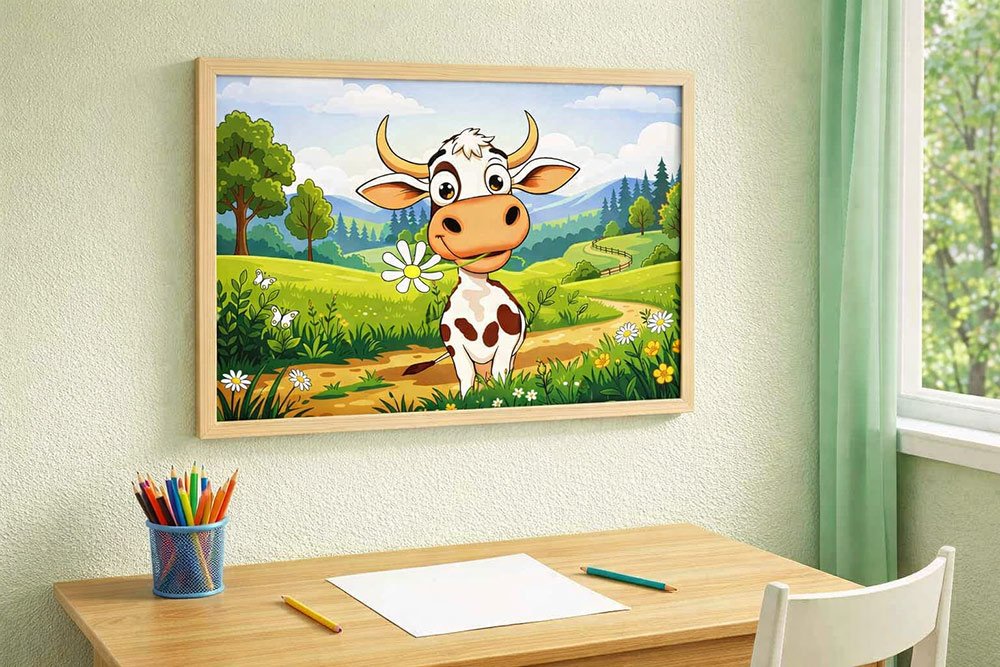
Is art created for children primitive?

In both primitive art and art for children there is an element of going back to the roots. What I like about both forms of art is the playfulness and desire to express genuine feelings.
The cow here is just being cow and enjoying life.

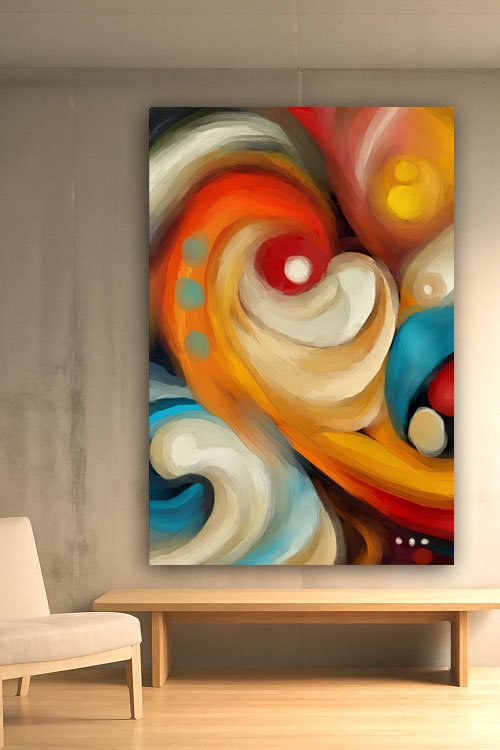
Is abstract art primitive?

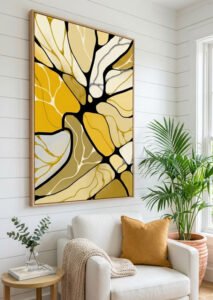
Abstract art can be just about anything, so in general you can’t say it is primitive. Abstract art can actually be quite complicated.

Having said that, this example here has what I would call “primitive colors”. Simple basic and constrasting, creating a bold expression. In theory primitive art is supposed to use a more muted color palette as what they say is more suited to what is natural. I – again – do not hold that vision, as I see an abundance of “wild” bold and bright colors in nature.

To me there needs to be an element of “aliveness” which is beautifully represented by the bold color palette used here.

More on the use of colors

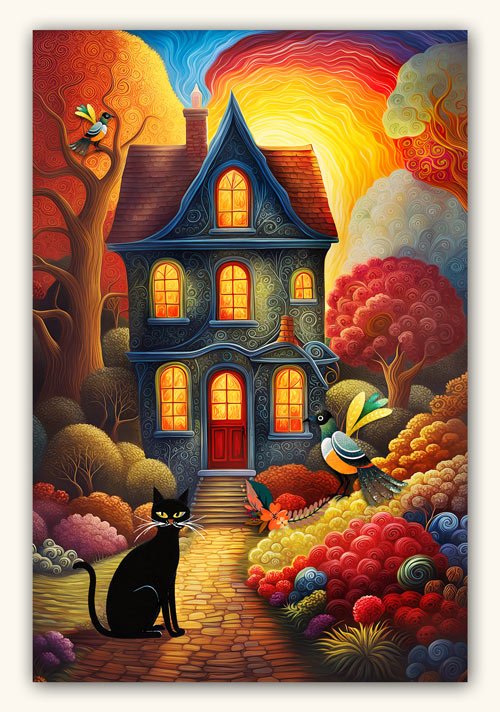
Traditionally pigments are applied in bold, unblended layers without gradients or shading, reinforcing a naive or rustic aesthetic.

So I think in this paiting I succeeded in creating some sort of rustic color palette. However, I did not leave the pattern out, as it was adding so much more fun! And I seem to have a problem painting inside the lines 🙂

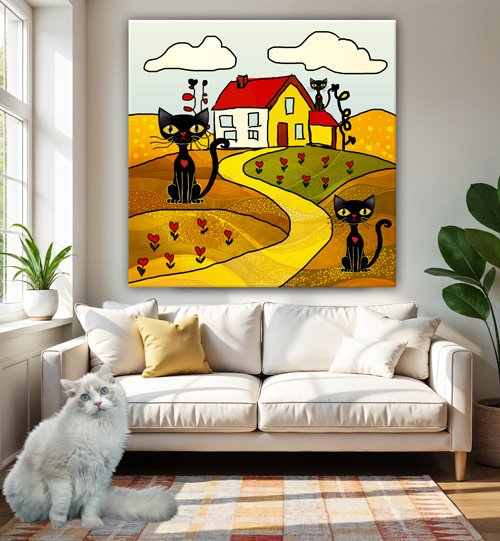
Line art as a starting point

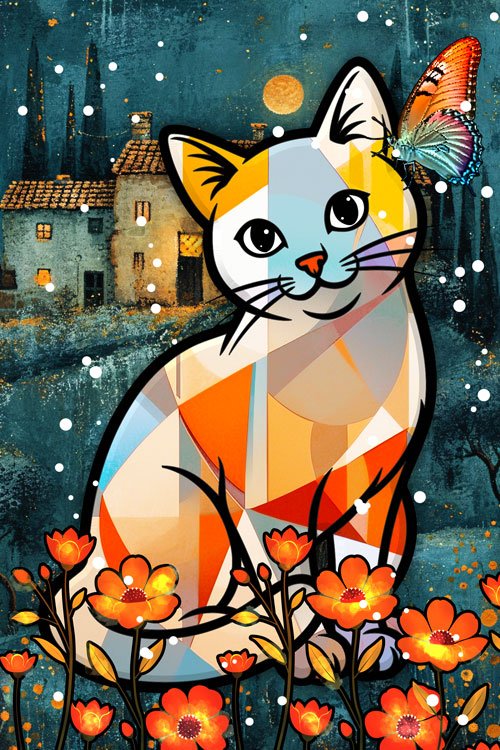
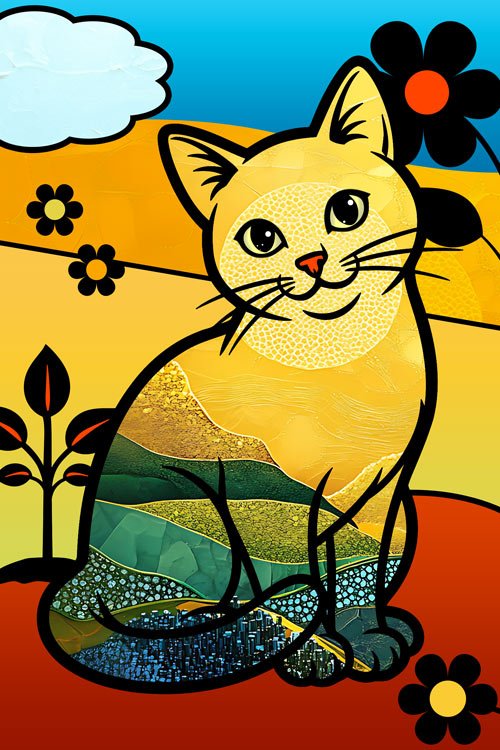
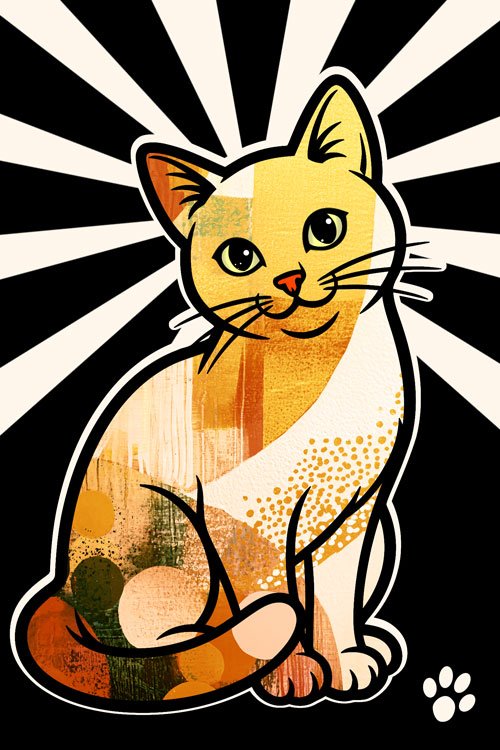
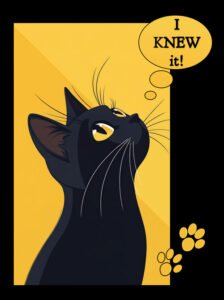
So I was playing with a simple line drawing of a cat (uhm, yes, to me it’s very hard to not have cats everywhere 🙂  You may also like the cat page)

I created 3 different versions in Photoshop using brushes and different styles. As you can see, I had difficulty sticking to a “primitive” style.

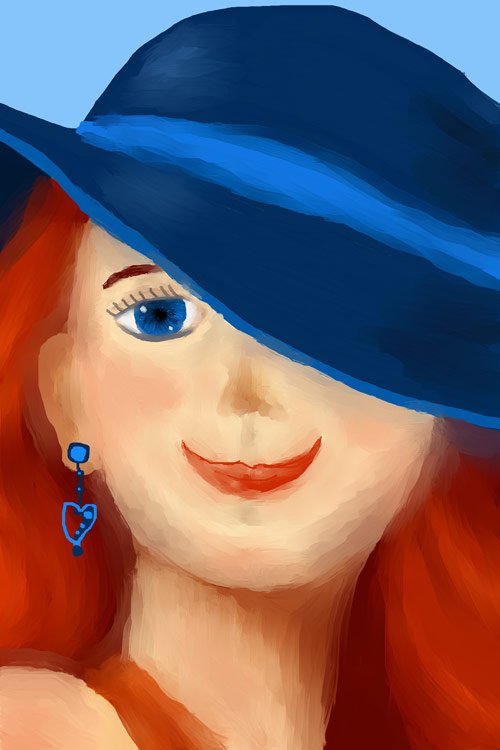
A portrait

After being a designer for so many years on Zazzle, it is clearly not so easy to find the “artist” inside again. 

This is a whimsical messy portrait I created in Rebelle in loose brush styles. It has a simple color palette and basic lay-out. Yet: does it classify as primitive art? 
To be honest, I don’t think so. It does not have that same vibe.

Maybe “primitive art” isn’t so primitive at all and it looks like I need to continue on my journey to find my own “voice” in art, as it does not seem to be primitive.

Conclusion

To conclude: I think it’s fair to say that I am not really a primitive style artist. 
It may be good for the development of my personal style to practice primitive art more though. Creating cleaner images.

Having said that, I will definitely use some of the ideas it offers. The joy is in creating. Whether the style speaks to you or not.

The next topic is going to be neurographic art. Stay tuned!